Should You Sell to a DSO? An Operational Read on the Decision
Whether to sell to a DSO is not only a financial question. Here is the operational read: what makes a practice worth more, and when waiting two years pays better.
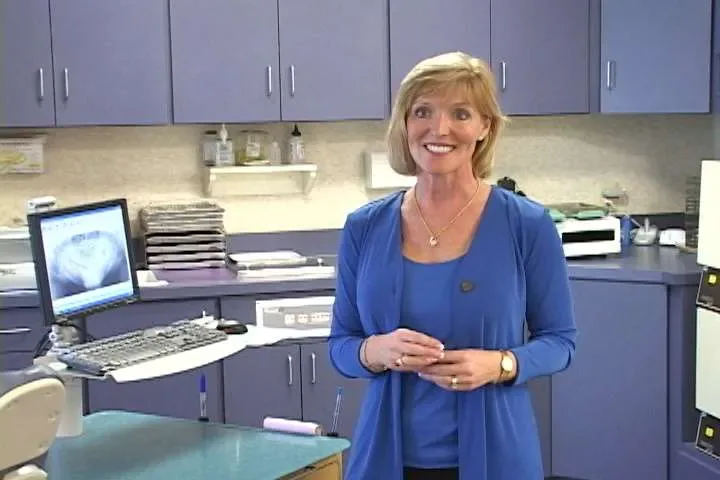
I get this call regularly now. A dentist has received an offer from a group practice or a DSO, the number is larger than they expected, and they want to know whether to take it. They usually expect me to answer with a financial opinion.
The honest answer is that the financial question cannot be settled until the operational question is. Over 30 years of dental consulting, I have watched practice owners accept offers that were fair for the practice they had, when six to twenty-four months of focused work would have produced a materially different offer for the same practice.
Selling is often the right decision. It is rarely the right decision to make quickly.
Ask What You Are Actually Selling
A DSO is not buying your building or your equipment, and it is not really buying your reputation. It is buying a stream of future earnings that it believes will continue after you have less control over it.
That framing explains most of what follows. Anything in your practice that makes future earnings look more certain increases what a buyer will pay. Anything that makes those earnings look dependent on you personally decreases it.
Practices command stronger offers when they have:
- A hygiene department running at or near capacity, with a functioning recall system
- New patient flow that is stable or growing, and not dependent on one referral source
- Production distributed across providers rather than concentrated in the owner
- A payer mix that is not overly weighted to a single low-fee contract
- Documented systems that a new operator can step into
- A stable team that is likely to stay through a transition
That list is not a sales pitch for consulting. It is a description of what the buyer’s analyst is looking for when they build their model.
The Two-Year Question
Here is the question I ask every owner who calls me about an offer: if you did not sell, what would this practice be worth in two years?
For some practices the honest answer is “about the same.” The systems are sound, hygiene is full, the payer mix is reasonable, and there is no obvious lever left to pull. In that case, taking a strong offer now is often the right call, and I say so.
For other practices the answer is very different. I have seen practices where the hygiene department was running at sixty percent of capacity, where recall had quietly broken down, or where a single underperforming insurance contract was compressing margins across the entire schedule. Those are not permanent conditions. They are correctable, usually within a year or two, and correcting them changes the earnings figure that the multiple gets applied to.
Selling a practice with an obvious, fixable operational problem means selling the discount along with the practice. The buyer is not going to overlook it. They are going to price it, take ownership, fix it themselves, and keep the difference.
Reasons to Sell That Have Nothing to Do With Price
Not every good reason to sell is financial, and I want to be clear about that, because the operational analysis can make it sound as though maximizing the number is the only goal.
Many dentists sell because they no longer want to run a business. Ownership means payroll, hiring, insurance negotiation, compliance, equipment decisions, and staffing conflicts. Some excellent clinicians genuinely do not want any of that, and a well-structured DSO arrangement can let them practice dentistry without it.
Others sell for timing reasons: health, family, a planned retirement, or a desire to reduce personal financial risk while a strong offer is available. Those are legitimate and often decisive.
What matters is knowing which reason is driving the decision. If you are selling because you want out of the business side, then the employment agreement and the day-to-day operating model matter more than squeezing the last increment out of the multiple. If you are selling primarily for the number, then the operational preparation deserves real attention first.
What Changes After Closing
Whatever your reason, go in knowing what typically changes. Supply and lab sourcing usually standardizes to the group’s contracts. Scheduling templates and hygiene protocols tend to move toward the group’s model. Insurance participation may expand in order to drive volume. Staffing decisions often shift to a regional structure rather than staying with you.
Some owners find this a relief, because the decisions they disliked making are no longer theirs. Others find it difficult, particularly if they built the practice around a specific clinical philosophy or a team they hired personally.
Neither reaction is wrong. But the time to find out which one you will have is before signing, not in month three.
The Decision Is Yours, the Information Should Not Be One-Sided
The organization making the offer has a team. You should have one too: an attorney for the legal terms, a CPA for the tax structure, and an independent operational review of whether the earnings figure reflects how your practice genuinely performs and whether it could reasonably perform better.
A buyer with a fair offer will not be troubled by that scrutiny. The scrutiny is how you find out.
Work with JoAnne for an independent look at whether an offer reflects what your practice is worth, or what it could be worth.